Spiritual Democracy as the Precondition
of Political Democracy

19句圣言的19个对话构建(主题2)
作者:纳德 · 萨伊迪 (Nader Saiedi)
译者:苏英芬
(译注:纳德 · 萨伊迪博士是专业的社会学教授,也是研究巴哈伊信仰先驱巴布原文著作的权威,他年轻时是个活跃的马克思主义者,后经独立探寻而成为巴哈伊信徒。他以巴哈伊信仰缔造者巴哈欧拉领受天启的19句关键圣言,展开了19个社会对话构建主题的论述,值得巴哈伊信徒和世人在这个新旧世界秩序交替的乱世里,进行实质对话的参考。)
————————
巴哈欧拉写道:
“人类两个阶层的权力已被剥夺:国王和神职人员。”
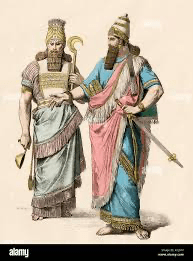
1868年,巴哈欧拉向世界领导人宣告了祂的使命。通过这一普世和全球的宣言,祂向全世界宣布人类已经进入其历史发展的新阶段。在这个新阶段,人类必须理解新兴世界的有机特征,并朝向一个具有公正、磋商以及和平特征的多元合一性文化迈进。然而,这种新文化需要一种新的精神(灵性)文化,一种在巴哈欧拉的天启中复苏的文化。19世纪60年代晚期,在给全世界政治和宗教领导人致函后不久,巴哈欧拉写下了上述声明,警告了国王和神职人员的暴政。
这个声明同时重申了巴哈欧拉向世界领导人传达的信息,也是对那些无视祂信息的傲慢君王和神职人员的回应。
然而,巴哈欧拉这些话语的社会学意义是无限的。
巴哈欧拉的声明概括了祂的全部天启,强调了人类的未来命运,为伊朗和中东社会提供了解放之路,并宣告了人类从野兽文化的束缚中诞生。
自由和民主是时代的要求
巴哈欧拉认为人类的未来是向自由和民主的不断发展之路。
祂向世界宣告,在新兴的新世界中,再也没有专制和暴政的空间了。用祂的话说,“权力被剥夺”自两个群体:国王和神职人员。这里翻译为“权力”的词阿拉伯原文是“‘izzat”,它暗示着两个意义:一个是力量和武力,另一个是提升、赞美和威望。
巴哈欧拉在这里强调的是马克斯·韦伯(Max Weber译注)所说的合法权力(Herrschaft),即根植于人民同意和他们对权威的自愿服从的权力。
(译注– 德國社會學家、歷史學家、經濟學家、哲學家、法學家。韦伯本人虽不用社會學家這個頭銜定義自己,但他與卡爾·馬克思和埃米爾·杜爾凱姆一起被公認為現代西方社會學的奠基人- 维基百科。)
人类的未来是对专制主义的拒绝,因为未来是自由、平等和社会中个人和团体赋权文化的未来。
暴政将消失,因为人们的文化将走向成熟、理性,并激赏所有人类的尊严和高贵。
值得注意的是,巴哈欧拉的这个声明并不意味着对君主立宪制的拒绝。
王权作为专制和独裁被拒绝,但象征人民团结的君主立宪制,被巴哈欧拉接受甚至赞扬,其实际政治决策交由议会负责。 事实上,巴哈欧拉的声明是对时代要求的肯定。
祂写道: 每个时代都有其自身的问题,每个灵魂都有其独特的愿望。当今世界的苦难所需的药方,与未来时代所需者绝不相同。
巴哈欧拉写道:
“你们当患时代之所需,虑时代之所急。”(《巴哈欧拉著作选萃》213)
祂的世界观强调了历史性意识,即人类和社会是动态、活跃且不断进步的。文化和社会的任何方面都不能保持静态,一成不变。
这就是即使上帝的话语、宗教领域也是动态和进步的原因。这种历史意识拒绝对传统和传统主义的崇拜,并强调每个时代都有其独特的要求。对巴哈欧拉来说,此人类发展的新阶段需要结束人类的束缚和压迫。
因此,祂看到了人类走向成熟文化的历史趋势,以及体现、反映和实现这种文化的社会和政治制度的出现。
暴政违背了时代的要求。

巴哈伊信仰的继承领袖阿博都-巴哈同样强调了这一原则,在伊朗的立宪革命(1906-1911年)期间,祂将宪政主义和民主定义为时代不可抗拒的要求。1909年4月,当专制复辟,议会被解散时,阿博都-巴哈写下了这些话: 根据神圣的智慧,每个时代都有其自身的需求和其具约束力的必要性。除了时代的需求外,一切都可以抵制,而抵制时代的需求是不可能的,因为否认时代的必要性和违背其需求是不可能的。 “这是全能者,全知者的旨意。
”在这个时代专制政府是不可能存在的,因为它给人民带来无数问题,完全排除了灵魂的宁静和意识的健康。同样,也有悖于政府的和平以及人民的福祉和福利。 (作者非官方英译,阿博都-巴哈原著,INBA 17: 233-5)
精神民主作为政治民主的前提
尽管巴哈欧拉的声明否定了政治专制,但它并不简单地肯定政治民主。
巴哈欧拉的话定义了两种与时代要求相矛盾的暴政 。政治暴政是一种,宗教专制是另一种。
事实上,巴哈欧拉的声明超越了对政治民主和精神民主的必要性的肯定。巴哈欧拉所说的核心是这两个现象之间的有机关系。换句话说,精神和文化民主是实现和成就政治民主的必要条件。
神职人员的权威通常是文化或精神暴政的制度化。神职权威意味着个体放弃了自己的理智,盲目地追随神职人员的命令和裁决。神职人员合法化了传统主义,并放弃了理性。个体必须服从神职人员的裁决,让神职人员替他们思考。

在一个人们拒绝独立思考,自愿依赖神职人员判断的社会中,理性、平等和所有人类尊严的文化是不可能出现的。此外,神职人员及其传统主义反对时代的要求和人民的赋权。他们的中世纪观念将人们划分为不同的类别,并制度化各种形式的不平等和压迫。
因此,巴哈欧拉在19世纪中叶的圣作中,肯定了这样一个社会学事实,即在没有个体赋权和独立思考的文化中,真正的政治民主在社会中是不可能的。 从某种意义上说,西欧社会的历史是对巴哈欧拉所说的神圣原则的肯定。新教的宗教改革(16世纪)和理性主义哲学的出现(17和18世纪),为18世纪至20世纪政治民主的出现铺平了道路。此外,将个体权利文化扩展到社会中各个未被充分代表的阶层也推动了民主的日益成熟。
同时,巴哈欧拉的声明警告我们,不要发展一种政治文化,其中党派政治导致个体对党派话语的奴役,党派一致,对其他党派支持者的憎恨,以及政治话语退化为对其他党派的妖魔化。
如果党派政治变成群体一致,我们将目睹世俗神职权威的出现,届时政治家、名人和党派知识分子成为新的神职人员,当个体在某个问题上的判断依赖于党派的判断,而不是个体自己独立的思考时,我们就沦为了世俗文化神职专制的奴隶。
在这种情况下,真正的政治民主,即真正的集体磋商,是不可能的。相反,这种政治文化意味着病态地转向从众的逻辑。当某些思想被系统地排除在公共和知识话语构建之外时,知识话语的暴政便代表了左翼或右翼的暴政。
在这两种情况下,当压制思想自由在我们的大学和媒体中被制度化时,我们正在用意识形态的暴政文化取代磋商性民主的尊严。
巴哈欧拉关于民主的圣作(1850年代和1860年代 )
巴哈欧拉的声明在某种程度上可以看作是对祂在1868年向世界政治和宗教领导人传达的信息的肯定。
这些信息的第一篇,写于巴哈欧拉在阿德里安堡最后几天,也是祂被流放到阿卡之前,祂致信伊朗国王纳西尔-丁·沙阿。有趣的是,在这部作品中,巴哈欧拉的主要论述是对神职人员专制的批判,祂指出伊朗问题的根本原因在于神职人员的专制和狭隘。类似的观点在致函教皇以及法国和俄罗斯皇帝时都有所表达。对政治民主的强调出现在致维多利亚女王的信中,她因废除奴隶贸易并扩展政治民主而受到(巴哈欧拉的)赞扬。 但在另一个意义上,巴哈欧拉的声明是对祂当时为止的启示的总结,截至那个时候。在巴哈欧拉于19世纪60年代晚期发表声明时,祂的著作时间跨越了1853年到1869年。重要的是要认识到,巴哈欧拉在1850年代的著作并没有直接涉及政治民主的问题。相反,这些著作都是针对神职专制的。因此,在祂先前强调文化和精神民主的背景下,巴哈欧拉从1860年代开始,
在呼吁全球团结和普世和平方向上,对所有世界机构进行全面改革的背景下强调了政治民主。这个顺序并非偶然。巴哈欧拉首先强调了文化和精神民主的需要,作为政治民主出现的前提,然后再关注社会改革,包括政治民主。
巴哈欧拉在1850年代和1860年代的主要著作都强调了独立探求真理的必要性。这些著作始于巴哈欧拉的一些神秘色彩的著作,比如《七谷经》、《四谷经》和《隐言经》,并以一些强调历史意识的神学作品结束,包括《圣秘瑰宝》和《笃信经》。这两种类型的巴哈欧拉著作的共同点在于拒绝一切偏见、批判神职权威,并肯定了独立思考对于理解真理的必要性。这些著作强调了真理寻求的方法,并将上帝的所有先知受迫害的根源,归因于人们对传统权威的盲目依赖。
对于他们的神职人员的判断和他们拒绝独立思考的态度。巴哈欧拉以系统的方式,谈到了对所有观念的怀疑的必要性,要忽视神职人员的判断,净化自己的心灵和思想,摆脱一切传统主义的痕迹,并认识到自己的思考能力是上帝赐予他们的最大恩赐。我在这里引用巴哈欧拉在祂三部主要作品中的陈述:
《隐言经》:灵性之子啊!我首要的劝谕是:拥有一颗纯洁、仁慈和光明的心,使你的心成为亘古、不朽和永恒的王国。
《七谷经》:第一谷是探寻之谷。探寻此谷的坐骑是耐心……这些仆人有责任洁净心灵,因心灵是神圣宝藏的源泉,内心要摆脱一切痕迹;远离模仿,即追随祖辈先人的足迹;并对一切凡间之人关闭亲仇好恶之门。
《笃信经》:除非一个人超脱天地间的一切,否则他绝到达不了真理解之海的彼岸。世人啊!净化你们的灵魂,你们或许可以达到上帝为你们注定的地位……
正是在这一背景下,巴哈欧拉在祂于1860年代及随后的著作中讨论了转变社会制度、政治民主以及迈向民主和磋商的集体性安全的必要性。在写给维多利亚女王的信中,祂说:
我们听说你禁止了男女奴隶的贩卖。这确实是上帝在这个奇妙的天启中所规定的……我们还听说你已将谋士的鞭策交给了人民代表的手中。你确实做得很好,因为这样一来,你的国家事务的基础将会更坚固,你庇护下的所有人的心灵,无论高低贵贱,都将得到安宁。
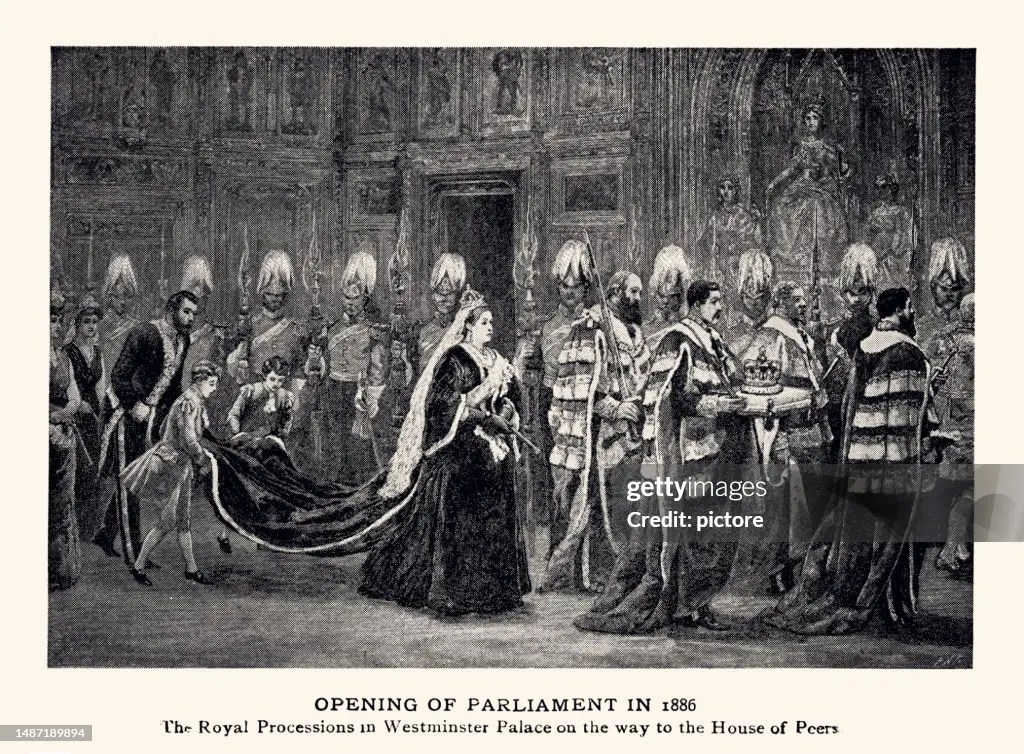
图:1886年维多利亚女王赴西敏寺主持英国国会开幕式。
巴哈欧拉与伊朗和中东的解放
巴哈欧拉的著作,尤其是祂对国王和神职人员的声明,为19世纪中叶的伊朗和其他中东社会对改革与发展,提供了道路。不幸的是,伊朗人未能听从巴哈欧拉的智慧,因此他们对社会改革和民主的处理方式与巴哈欧拉提出的道路背道而驰。伊朗改革运动失败的根本原因正是拒绝了巴哈欧拉的信息。
正如我们指出的,对于巴哈欧拉来说,除非对精神和文化暴政进行了批判,否则不可能实现真正的政治民主。尽管20世纪伊朗的社会运动努力在伊朗实现政治民主(包括1906-1911年的宪政革命和1979年的伊斯兰革命),但为争取政治民主的主导方法一直是美化和制度化神职人员的专制。在宪政和伊斯兰革命中,神职人员被定义为革命的领导者和现代化、民主化和解放的代理人。
换句话说,在巴哈欧拉看来,实现政治民主和社会繁荣的先决条件是宗教机构与国家的机构应该分离。伊朗的民主化道路已经是神职政治权力的制度化,这一路径将民主化定义为伊斯兰化。因此,伊斯兰革命不仅没有带来政治民主,反而导致了神职和政治两种专制形式的统一。巴哈欧拉警告了神职人员的精神专制和统治者的政治专制。从祂的著作中可以看到这一点。
对于巴哈欧拉而言,最终形式的暴政是这两种专制形式的合一,即政教合一。 在过去的160年里,伊朗人因一些人信仰巴哈欧拉的话语而对巴哈伊教徒展开迫害。直到最近,大多数伊朗知识分子才意识到对精神和政治民主的需要,却不知道这一辉煌的社会学见解,最早已由巴哈欧拉提出,以解放和发展伊朗。
(19/11/24)
(资料来源:https://user-hrqc9mo.cld.bz/English-Publications/Second-Reflection1)

矗立在以色列海法的世界正义院(Universal House of Justice) 是全球7百万巴哈伊信徒的灵性与行政最高指引机构。
Nineteen Reflections on Nineteen Sacred Words
Nader Saiedi
The Second Reflection: Spiritual Democracy as the Precondition of Political Democracy
Baha’u’llah writes: “From two ranks amongst men power hath been seized: kings and ecclesiastics.” In 1868, Baha’u’llah declared his mission to the leaders of the world. Through this universal and global declaration, he announced to the world that humanity has arrived at a new stage of its historical development, and that in this new stage humanity must understand the organic character of the new emerging world, and move towards a culture of unity in diversity, a culture that is characterized by justice, consultation, and peace.
However, this new culture requires a new spiritual culture, a culture that is resurrected in the revelation of Baha’u’llah. In late 1860s, shortly after writing these letters to the political and religious leaders of the world, Baha’u’llah wrote the above statement, warning against the tyranny of the kings and the clerics. This statement is simultaneously a reaffirmation of the message of Baha’u’llah to the leaders of the world, and at the same time a response to the neglect of his message by the heedless and proud monarchs and clerics.
However, the sociological significance of these words of Baha’u’llah is limitless. Baha’u’llah’s statement is capturing the entirety of his revelation, emphasizes the future destiny of humanity, offers a path of liberation to Iran and the Middle eastern societies, and proclaims the birth of human being out of the bondage of a beastly culture.
Liberty and Democratization as Requirement of the Age Baha’u’llah sees the future of humanity a future of progressive movement towards liberty and democracy. He is announcing to the world that in the emerging new word there is no longer any room for despotism and tyranny.
In his words “power hath been seized” from two groups: kings and clerics. The word translated here as “power” is ‘izzat, which implies two meanings. One is power and force, the other is exaltation, praise and prestige.
What Baha’u’llah is emphasizing here is what Max Weber means by legitimate power (Herrschaft), namely a power that is rooted in the consent of the people and their voluntary submission to authority. The future of humanity is a future of rejection of despotism because the future is the future of a culture of liberty, equality, and empowerment of individuals and groups in society.
Tyranny would disappear because the culture of people will move towards maturity, rationality, and appreciation of the dignity and nobility of all human beings. It is noteworthy that this statement of Baha’u’llah does not imply a rejection of constitutional monarchy. Kingship as despotism and autocracy is rejected, but constitutional monarchy in which actual political decisions is invested in the parliament while monarchy serves as a symbol of the unity of the people is accepted and even praised by Baha’u’llah.
Baha’u’llah’s statement is in fact an affirmation of the requirement of the age. He writes: Every age hath its own problem, and every soul its particular aspiration. The remedy the world needeth in its present-day afflictions can never be the same as that which the subsequent age may require. Be
Bottom of Form
anxiously concerned with the needs of the age ye live in, and center your deliberations on its exigencies and requirements. (Gleanings 213) His worldview emphasized a historical consciousness, the awareness that humans and societies are dynamic, alive, and ever-advancing. No aspect of culture and society can remain static. That is why even the word of God, the realm of religion, is also dynamic and progressive. This historical consciousness rejects the worship of traditions and cult of traditionalism, and emphasizes that each age has its own requirement. For Baha’u’llah, the new stage of human development requires the end of human bondage and oppression. Consequently, he sees the trend of history towards a culture of the maturation of humanity and the emergence of social and political institutions which embody, reflect and realize that culture.
Tyranny is contrary to the requirement of the age. This same principle is clearly emphasized by the next leader of the Baha’i religion, ‘Abdu’l-Baha, who during the constitutional Revolution of Iran (1906-1911) defined constitutionalism and democracy as the irresistible requirement of the age. In April 1909, when through restoration of despotism, parliament had been dissolved, ‘Abdu’l-Baha wrote these words:
According to the divine wisdom, each age has its own requirement and its binding necessity. Everything can be resisted except the requirement of the age, resistance to which is impossible, for denying the necessity of time and defeating its requirement is outside of the realm of possibility. “That is the Decree of the Almighty, the Omniscient.” At this time and age, autocratic government is impossible, for it causes a myriad of problems for the people and it utterly precludes the tranquility of the soul and the health of consciousness. Likewise, it is contrary to the peace of the government as well as the wellbeing and welfare of the people. (Provisional translation by the author, Abdu’l-Baha, INBA 17: 233-5)
Spiritual Democracy as the Precondition of the Political Democracy Although the statement of Baha’u’llah negates political despotism, it is not a simple affirmation of political democracy. Baha’u’llah’s word defines two forms of tyranny as contradictory to the requirement of the age. Political tyranny is one and clerical despotism is the other. In fact, the statement of Baha’u’llah goes beyond affirming the necessity of both political democracy and spiritual democracy.
The heart of the word uttered by Baha’u’llah is the organic relation between these two phenomena. In other words, spiritual and cultural democracy is the necessary condition for the realization and sucess of political democracy. Authority of the clerics has usually been the institutionalization of cultural or spiritual tyranny.
Clerical authority means that individuals renounce their own reason and blindly follow the dictates and judgments of the clerics. The clerical cast legitimizes traditionalism and renounces reason. Individuals must obey the judgements of the clerics and let the clerics think for them. In a society that people refuse to think for themselves because they voluntarily depend on the judgment of the clerics, there is no possibility of emergence of a culture of rationalism, equality, and dignity of all human beings.
Furthermore, the clerics and their traditionalism oppose the requirement of the age and the empowerment of the people. Their medieval outlook divides people in terms of various categories and institutionalize various forms of inequality and oppression in society.
Writing in the mid-19th century, therefore, Baha’u’llah is affirming the sociological fact that without a culture of empowerment of individuals and their independent thinking no real political democracy is possible in society. In a sense the history of the West European societies is an affirmation of the principle enshrined in the word of Baha’u’llah. Both the religious reformation through Protestantism (16th century), and the
资料来源:https://user-hrqc9mo.cld.bz/English-Publications/Second-Reflection1Top of Form
emergence of the philosophical forms of rationalism (17th and 18th century) paved the way for the emergence of political democracy between 18th and 20th centuries. Furthermore, it was the extension of the culture of individual rights to various underrepresented segments of society that led to increasing maturation of democracy.
At the same time, Baha’u’llah’s statement warns against development of a political culture in which party politics leads to individual’s enslavement to party discourse, party conformity, hatred of the supporters of the other party, and the degradation of political discourse to demonization of the other party. If party politics turn into group conformity, we will witness the emergence of a secular clerical authority, when the politicians, celebrities, and party intellectuals become the new clerics.
When individual’s judgment on an issue is dependent on the judgment of the party, and not one’s own independent thinking, we have reduced ourselves to bondage to a secular culture of clerical despotism. In such situation no real political democracy, namely no real collective consultation, is ever possible. On the contrary, such political culture implies a pathological turn towards the logic of mass conformity.
Tyranny of intellectual discourse, when certain ideas are systematically excluded from public and intellectual discourse, represents the tyranny of the left or the tyranny of the right. In both cases when suppression of freedom of thought is institutionalized in our universities and media, we are replacing the culture of ideological tyranny in place of dignity of consultative democracy.
Writings of Baha’u’llah on Democracy: 1850s and 1860s
The statement of Baha’u’llah can partly be seen as the affirmation of his message to the political and religious leaders of the world in 1868. The first of these messages, written in the last days of Baha’u’llah in Adrianople and before his exile to Akka, is addressed to the king of Iran, Nasir al-Din Shah. It is interesting that the main discourse of Baha’u’llah in this work is a critique of clerical despotism, when he identifies the root cause of the problems of Iran in the clerical autocracy and intolerance.
Similar sentiments are expressed in addressing the Pope and the emperors of France and Russia. The emphasis on political democracy is found in the letter to the Queen Victoria, where she is praised for both outlawing slave traffic and extending political democracy. But in another sense, the statement of Baha’u’llah is a summary of his revelation up to that point.
At the time of the statement of Baha’u’llah in late 1860s, the writings of Baha’u’llah range from 1853 to 1869. It is important to recognize that Baha’u’llah’s writings during 1850s do not directly address the question of political democracy. Instead, these writings are all directed against clerical despotism. It is then in the context of his previous emphasis on cultural and spiritual democracy that Baha’u’llah begins to emphasize political democracy during 1860s in the context of his call for a holistic transformation of all institutions of the world in the direction of global unity and universal peace. This order is not accidental. Baha’u’llah first emphasizes the need for cultural and spiritual democracy as the precondition of the emergence of political democracy and then focuses on social reform including political democracy.
The main works of Baha’u’llah during 1850s and early 1860s all emphasize the imperative of independent investigation of truth. These writings begin with a number of mystical writings of Baha’u’llah –like The Seven Valleys, The Four Valleys, and the Hidden Words- and end with a number of theological works which emphasize historical consciousness, works which include The Gems of Divine Mysteries and the Book of Certitude.
The common point in these two types of the writings of Baha’u’llah is rejection of all prejudices, critique of clerical authority, and affirmation of the imperative of independent thinking for understanding the truth. These works emphasize the method of investigation of truth, and attribute the source of the persecution of all prophets of God to people’s blind reliance on Bottom of Form
the judgment of their clerics and their refusal to think for themselves. In systematic ways, Baha’u’llah talks of the need for doubting all ideas, ignoring the judgments of clerics, purification of heart and mind from all vestiges of traditionalism, and recognizing their own power of thinking as the greatest bounty of God to them. I quote here statements of Baha’u’llah from three of his major works:
From the Hidden Words: O Son of Spirit! My first counsel is this: Possess a pure, kindly and radiant heart, that thine may be a sovereignty ancient, imperishable and everlasting.
From the Seven Valleys: The first is the Valley of Search. The steed of this valley is patience… It is incumbent upon these servants to cleanse the heart, which is the wellspring of divine treasures, of every marking; turn away from imitation, which is following the traces of their forefathers; and shut the door of friendship and enmity upon all the people of the earth.
From the Book of Certitude: No man shall attain the shores of the ocean of true understanding except he be detached from all that is in heaven and on earth. Sanctify your souls, O ye peoples of the world, that haply ye may attain that station which God hath destined for you… It is in this context that Baha’u’llah discusses in his subsequent writings throughout 1860s and afterwards of the necessity of transforming social institutions, political democracy, and movement towards a democratic and consultative collective security.
Addressing Queen Victoria, he writes: We have been informed that thou hast forbidden the trading in slaves, both men and women. This, verily, is what God hath enjoined in this wondrous Revelation… We have also heard that thou hast entrusted the reins of counsel into the hands of the representatives of the people. Thou, indeed, hast done well, for thereby the foundations of the edifice of thine affairs will be strengthened, and the hearts of all that are beneath thy shadow, whether high or low, will be tranquillized.
Baha’u’llah and the Emancipation of Iran and the Middle East
The writings of Baha’u’llah, encapsulated in his statement on kings and ecclesiastics, offered the path to reform and development of Iran and other Middle Eastern societies in the middle of 19th century. Unfortunately, Iranians failed to listen to the wisdom of Baha’u’llah and therefore their approach to social reform and democracy became the opposite of the path suggested by Baha’u’llah.
The root cause of the failure of reform movements in Iran is precisely the rejection of the message of Baha’u’llah. As we noted, for Baha’u’llah no true political democracy is possible unless a critique of spiritual and cultural tyranny has already taken place. Although 20th century Iranian social movements have struggled to realize political democracy in Iran (both constitutional Revolution of 1906-1911 and the Islamic Revolution of 1979), the dominant method of striving for political democracy has been glorification and institutionalization of clerical despotism.
In both Constitutional and Islamic revolutions, the clerics were defined as the leaders of revolution and agents of modernization, democratization, and emancipation. In other words, from Baha’u’llah’s point of view, the precondition of realization of political democracy and social prosperity is the institutional separation of church and state.
The Iranian path to democratization has been one of the institutionalization of clerical political authority, a path that defined democratization as Islamization. That is why, the Islamic Revolution not only did not result in political democracy, it led to the unity of two forms of despotism, clerical and political. Baha’u’llah warned against the spiritual tyranny of the clerics and the political tyranny of the rulers. One can see
that for Baha’u’llah the ultimate form of tyranny is the unity of these two forms of despotism, namely the clerical theocracy. For the last 160 years, Iranians have persecuted the Baha’is for their belief in the words of Baha’u’llah. It is only now that most of the Iranians intellectuals are realizing the need for both spiritual and political democracy, unaware of the fact that this glorious sociological insight was first offered by Baha’u’llah for the emancipation and development of Iran.Top of Form
(source:https://user-hrqc9mo.cld.bz/English-Publications/Second-Reflection1)
 萬物合一的時代!WE ARE ONE!
留下评论