【巴哈伊图书馆】
战争——你我都要买单的纯消费!
苏英芬
战争往往被包装为国家利益的博弈,但从普通人的经济生活来看,它更像是一场无形却沉重的负担。无论身处何地,个人都难以置身事外,因为战争的成本最终都会通过多种渠道转嫁到每一个人身上。
首先,战争通常依赖政府举债来维持。这意味着当下的巨额开支并不会立刻消失,而是被推迟到未来,由纳税人逐步偿还。对个人而言,这不仅意味着未来税负的增加,也可能伴随着教育、医疗等公共服务预算的压缩。换句话说,战争透支的是整个社会的未来发展空间。 以当前美国主导的对伊朗战争为例,战争开打后的前100小时,美方成本已被估算为37亿美元,折合平均每天约8.9亿美元。到第6天,美方成本升至113亿美元;到第12天,估算已达165亿美元。研究者同时指出,在最初高强度阶段过后,战争仍会以每天约5亿美元的速度继续烧钱。按这一节奏推算,若战事持续接近四周,美方直接战争支出大致已累计至约245亿至300亿美元;若按整个开战阶段平均计算,日均消耗约在8.8亿至10.7亿美元之间。这还没有完全计入未来的装备补充、基地修复、伤残军人照护,以及长期债务利息。(资料来源:CSIS)
而更沉重的是,这场账单并不是由决策者独自承担。美国在战前联邦总债务已超过39万亿美元;折算下来,平均每人背负的联邦债务已超过11万美元。对伊朗战争而言,每天烧掉近9亿至10亿美元,留给后代的却是更高的债务和更沉重的财政压力。(资料来源:Axios)
其次,战争对能源市场的冲击会迅速传导到日常生活。伊朗相关战事已令国际油价显著上升。随着霍尔木兹海峡局势紧张,布伦特原油价格一度冲上每桶119美元以上,并较战前上涨50%以上。油价一涨,运输、发电、制造和物流成本都会同步上升,最终传导到加油站、超市和每个家庭的账单上。普通人最直接的感受,就是加油更贵、买菜更贵,生活开支不断增加。(资料来源:路透社)
与此同时,通货膨胀成为另一种隐性负担。战争引发的能源冲击和供应链压力,会削弱货币购买力,使工资增长难以追上物价上涨。即使名义收入不变,实际生活水平却在下降,个人财富也在不知不觉中被侵蚀。多方警告指出,伊朗战争正在推高通胀风险,并可能进一步影响利率走势。(资料来源:调查百科;路透社)
企业在战争环境下也往往趋于保守。由于成本上升、前景不明,招聘减少、投资收缩,甚至裁员增加。对普通人来说,这意味着就业机会减少、收入增长受限,经济安全感明显下降。战争不是让普通人更容易赚钱,而是让赚钱变得更困难。
此外,全球贸易体系也会受到冲击。供应链中断、航运延误、保险费用上升,使商品价格上涨、到货变慢,甚至质量下降。现代生活高度依赖全球分工,这种扰动会直接削弱人们的生活便利性与生活品质。
更重要的是,战争的经济负担并不会随着冲突结束而自动消失。退伍军人安置、地区重建、装备补充、基地修复等长期支出,将持续占用财政资源。正如伊拉克战争与阿富汗战争所显示的那样,战争真正的账单,往往不是几年,而是几十年,而且最终仍由整个社会承担。
最后,战争带来的金融动荡还会冲击个人资产。股市波动、利率上升、投资环境恶化,都可能导致储蓄缩水、负债压力增加,使个人多年积累的财富面临风险。近来的市场表现也显示,伊朗战争已推高政府借贷成本,并进一步增加住房、投资与消费压力。(资料来源:Axios)
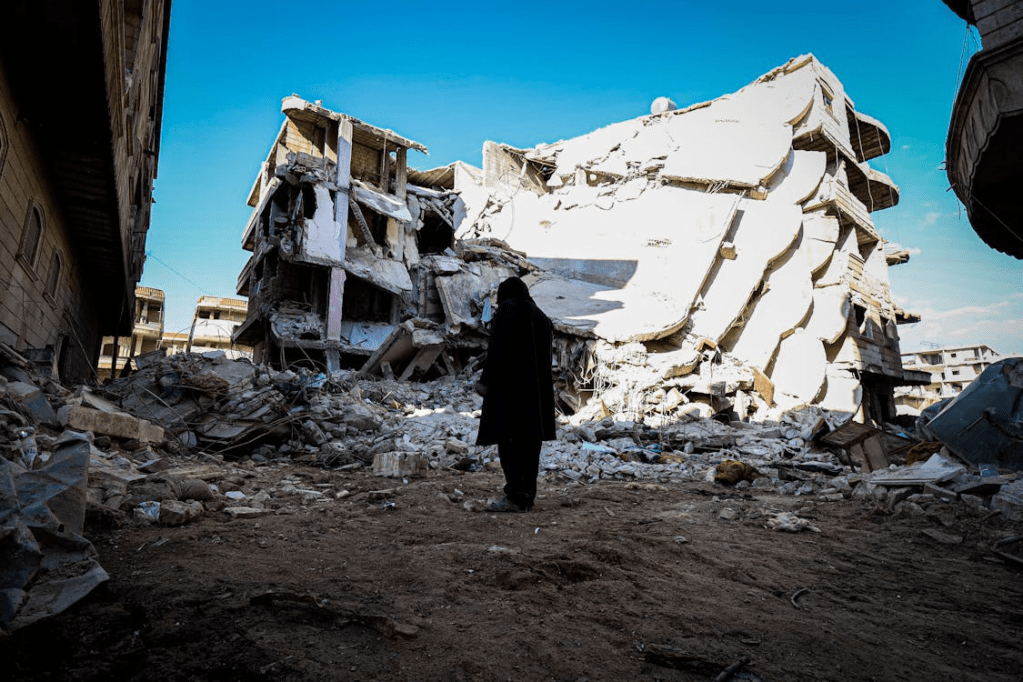
综上所述,战争对个人的影响,本质上体现在三个方面:支出上升、收入受限、未来更加不确定。它本身并不创造民生财富,却要吞噬巨额资源;它不是生产性的投资,而是一场代价高昂的纯消费。前线在烧毁城市,后方则在烧掉每个普通人的购买力、机会与安全感。
因此,从经济理性的角度出发,反对战争不仅是道德选择,更是对自身生活质量与长期安全的切实维护。
战争不是投资未来,而是提前透支全民的今天与明天。
战争——不创造财富,只制造账单;而买单的人,正是你我所有人。
预防战争,才是真正的止损之道。一个多世纪前,巴哈伊信仰教长阿博都-巴哈在访问巴黎时曾提出这样的劝勉:
“只要战争意念一冒头,就要用更为强大的和平思想遏制它。要用更为强烈的友爱思想去消除仇恨的念头。”
(巴哈伊参考文库《巴黎谈话》)
资料来源 / Sources
- 战争成本估算 / War-cost estimates: CSIS
- 油价数据 / Oil-price data: Reuters
- 通胀与利率风险 / Inflation and interest-rate risk: Investopedia; Reuters
- 借贷成本与联邦债务背景 / Borrowing-cost pressure and federal debt context: Axios
- 和平引言 / Peace quotation: Bahá’í Reference Library, Paris Talks

(30/03/2026)

War — Pure Waste, and We All Foot the Bill
by Christine Su
War is often presented as a contest of national interests, but from the perspective of ordinary people’s economic lives, it is more like an invisible yet crushing burden. No matter where we live, it is difficult for any individual to remain untouched, because the cost of war is ultimately passed on to every one of us through multiple channels.
First, war is usually sustained through government borrowing. This means that massive spending in the present does not simply disappear; it is pushed into the future and gradually repaid by taxpayers. For individuals, this not only means higher taxes down the road, but may also lead to tighter budgets for public services such as education and healthcare. In other words, war mortgages the future development of society as a whole.
Taking the current U.S.-led war against Iran as an example, the cost to the United States in the first 100 hours was estimated at $3.7 billion, or about $890 million per day. By Day 6, the cost had risen to $11.3 billion; by Day 12, it was estimated at $16.5 billion. Researchers also noted that after the initial high-intensity phase, the war would still continue burning through roughly $500 million a day. At that pace, if the conflict lasts close to four weeks, direct U.S. war spending would likely accumulate to roughly $24.5 billion to $30 billion. Averaged across the opening phase, that means daily consumption of about $880 million to $1.07 billion. And this does not fully include future costs such as equipment replenishment, base repairs, care for wounded veterans, and long-term interest on war debt. (Source: CSIS)
What is even heavier is that this bill is not borne by decision-makers alone. Before the war, total U.S. federal debt had already climbed above $39 trillion. On a per-person basis, that amounts to well over $110,000 in federal debt. In the case of the Iran war, nearly $900 million to $1 billion is being burned every day, while what is left to future generations is even higher debt and deeper fiscal pressure. (Source: Axios)
Second, the shock of war to energy markets quickly spills over into daily life. The fighting involving Iran has already driven international oil prices sharply higher. As tensions around the Strait of Hormuz intensified, Brent crude briefly rose above $119 a barrel, more than 50% above prewar levels. Once oil prices rise, transportation, electricity generation, manufacturing, and logistics costs all rise with them, and the increase is eventually passed on to petrol stations, supermarkets, and household bills. What ordinary people feel most directly is simple: fuel costs more, groceries cost more, and the cost of living keeps climbing. (Source: Reuters)
At the same time, inflation becomes another hidden burden. The energy shock and supply-chain pressure caused by war weaken purchasing power, making it difficult for wages to keep up with prices. Even if nominal income stays the same, actual living standards fall, and personal wealth is quietly eroded. Multiple observers have warned that the Iran war is raising inflation risks and could further affect the path of interest rates. (Sources: Investopedia; Reuters)
Businesses, too, tend to grow more cautious in wartime conditions. As costs rise and the outlook darkens, hiring slows, investment contracts, and layoffs may increase. For ordinary people, this means fewer job opportunities, weaker income growth, and a noticeable decline in economic security. War does not make it easier for ordinary people to earn a living; it makes earning a living harder.
In addition, the global trading system is also affected. Supply-chain disruptions, shipping delays, and rising insurance costs make goods more expensive, slower to arrive, and sometimes lower in quality. Modern life depends heavily on global specialization, so this kind of disruption directly reduces convenience and quality of life.
More importantly, the economic burden of war does not disappear automatically when the fighting stops. Long-term expenses such as veteran support, regional reconstruction, equipment replacement, and base repairs will continue to absorb public resources. As the Iraq War and the War in Afghanistan have shown, the real bill for war is often measured not in years, but in decades, and it is ultimately borne by society as a whole.
Finally, the financial turmoil caused by war also hits personal assets. Stock-market volatility, rising interest rates, and a worsening investment climate can all shrink savings and increase debt burdens, putting at risk the wealth that individuals have spent years building. Recent market developments also suggest that the Iran war has pushed up government borrowing costs and added further pressure to housing, investment, and consumer spending. (Source: Axios)
Taken together, the impact of war on individuals is essentially reflected in three things: higher expenses, constrained income, and a more uncertain future. War does not create public wealth; it devours enormous resources. It is not a productive investment, but an extraordinarily costly act of pure consumption. On the front lines, cities are burned; on the home front, the purchasing power, opportunities, and sense of security of ordinary people are burned away as well.
For this reason, from the standpoint of economic reason, opposing war is not only a moral choice; it is also a practical defense of one’s own quality of life and long-term security.
War is not an investment in the future; it is the premature consumption of the people’s today and tomorrow.
War does not create wealth. It creates bills — and the ones who pay them are all of us.
The only true way to minimize loss is to prevent war before it begins. More than a century ago, during His visit to Paris, ‘Abdu’l-Bahá offered this counsel:
“When a thought of war comes, oppose it by a stronger thought of peace. A thought of hatred must be destroyed by a more powerful thought of love.”
(Source: Bahá’í Reference Library, Paris Talks)
资料来源 / Sources
- 战争成本估算 / War-cost estimates: CSIS
- 油价数据 / Oil-price data: Reuters
- 通胀与利率风险 / Inflation and interest-rate risk: Investopedia; Reuters
- 借贷成本与联邦债务背景 / Borrowing-cost pressure and federal debt context: Axios
- 和平引言 / Peace quotation: Bahá’í Reference Library, Paris Talks
(30/03/2026)
 萬物合一的時代!WE ARE ONE!
留下评论